Welcome! If you’ve heard about weighted vests or “rucking” and wondered whether it’s for you, you’re in the right place. This page covers everything you need to take your first weighted walk, in about five minutes of reading.
On this page
What weighted walking is
It’s exactly what it sounds like: going for a walk while carrying a little extra weight. You can wear the weight in a weighted vest or carry it in a backpack. Walking with a weighted backpack is often called rucking, a word borrowed from the military, but you don’t need to march anywhere. A normal walk around your neighbourhood counts.
That’s the whole idea. No gym, no classes, no complicated moves. You keep doing something you already know how to do, and the added weight makes your body work a little harder with every step.
Why so many women love it
Gentle on joints
Walking is low-impact, so you get a tougher workout without the pounding of running or jumping.
Good for bones
Weight-bearing exercise is widely recommended for lifelong bone health, and a loaded walk is one simple way to get it.
Fits your life
Walk the dog, do the school run or pop to the shops. Strength and cardio in one, on your own schedule.
Vest or backpack?
Both work well, and plenty of women end up owning one of each. Here’s the quick version:
Weighted vest
Lovely for: spreading the weight evenly over your front and back, keeping your hands free, and walking on a treadmill.
Keep in mind: fit really matters, especially if you have a larger chest, and vests can feel warm in summer.
Rucking backpack
Lovely for: easy on-and-off, room for water and keys, and trying it out cheaply with a sturdy backpack you already own.
Keep in mind: the weight should sit high and snug on your back, or the straps can pull on your shoulders.
Not sure yet? That’s completely normal. Our vest vs backpack guides go into more detail.
How much weight to start with
Start light: about 5% of your body weight.
For most women that’s somewhere around 6 to 10 lb (3 to 4.5 kg). It may feel almost too easy at first. That’s the point: you can always add more later.
| Your body weight | A good first weight |
|---|---|
| 120 lb (54 kg) | 6 lb (2.7 kg) |
| 140 lb (64 kg) | 7 lb (3.2 kg) |
| 160 lb (73 kg) | 8 lb (3.6 kg) |
| 180 lb (82 kg) | 9 lb (4.1 kg) |
| 200 lb (91 kg) | 10 lb (4.5 kg) |
- Choose adjustable if you can. Vests and packs with removable weights grow with you, so you only buy once.
- Your first vest is heavier than this? Take out some weights, or wear it for short walks only until it feels comfortable.
- Just want to try it? A sturdy backpack with a few water bottles or books wrapped in a towel works fine for your first walks.
Your first four weeks
Go slowly and let your body get used to the load. A common rule of thumb is to change one thing at a time (time, hills or weight) and to add no more than about 10% a week.
- Week 1: Get comfortable. Two or three walks of 15 to 20 minutes on flat ground with your starting weight.
- Week 2: A little longer. If week one felt good, add 5 to 10 minutes to each walk. Same weight.
- Week 3: Add a gentle hill. Keep the time and weight the same, and include a slope or two.
- Week 4: A touch more weight. Only if everything feels easy: add 1 to 2 lb (about 0.5 to 1 kg) and go back to flat routes for a few walks.
Good form in four quick tips
- Keep the weight high and snug, close to your upper back or chest, so it doesn’t bounce.
- Stand tall and keep your normal stride. No leaning forward.
- Wear supportive, cushioned walking shoes.
- Bring water, even on short walks. The extra load makes you warmer.
Listen to your body
Some muscle tiredness is normal. Pain is not: if something hurts, take the weight off and rest. Please talk to your doctor or physiotherapist before starting if you have osteoporosis or osteopenia, back or neck problems, joint pain, a heart condition, are pregnant, or are recovering from an injury.
Beginner-friendly gear we like
Our current top picks, all chosen with comfort and fit for women in mind.
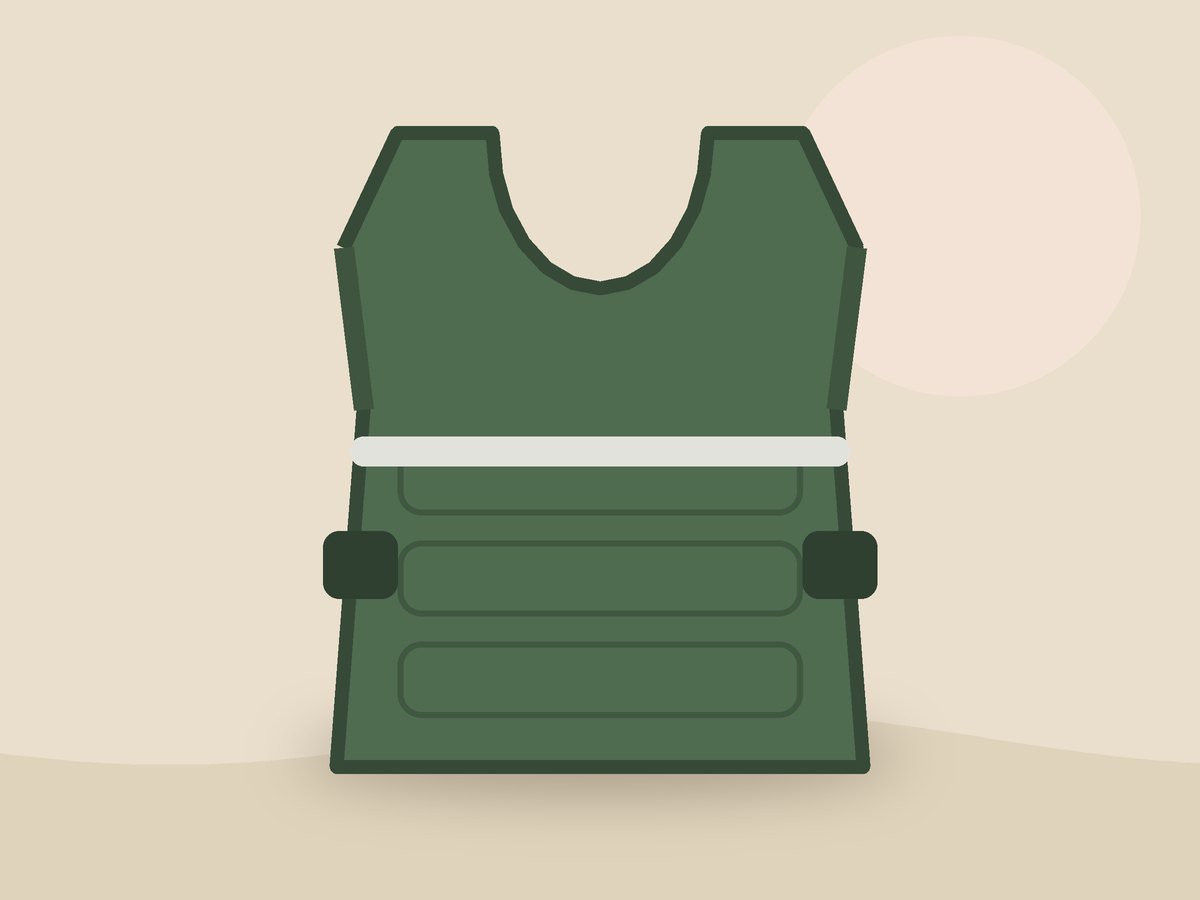 IllustrationBest overall
BAGAIL Adjustable Weighted Vest (U-Neck)
A soft, X-shaped vest with a comfortable U-neck that starts at just 4 lb and grows in 1 lb steps, which makes it ideal for building up gently.
- Pro: Starts at 4 lb, with six 1 lb iron-sand bags to add as you get stronger
- Pro: Body-hugging X-shape and U-neck designed to relieve pressure
- Pro: Large front pocket fits a big phone, plus 360° reflective strips
- Con: Neoprene can feel warm on hot days
- Con: Each version only adjusts within its own range, so pick the right one
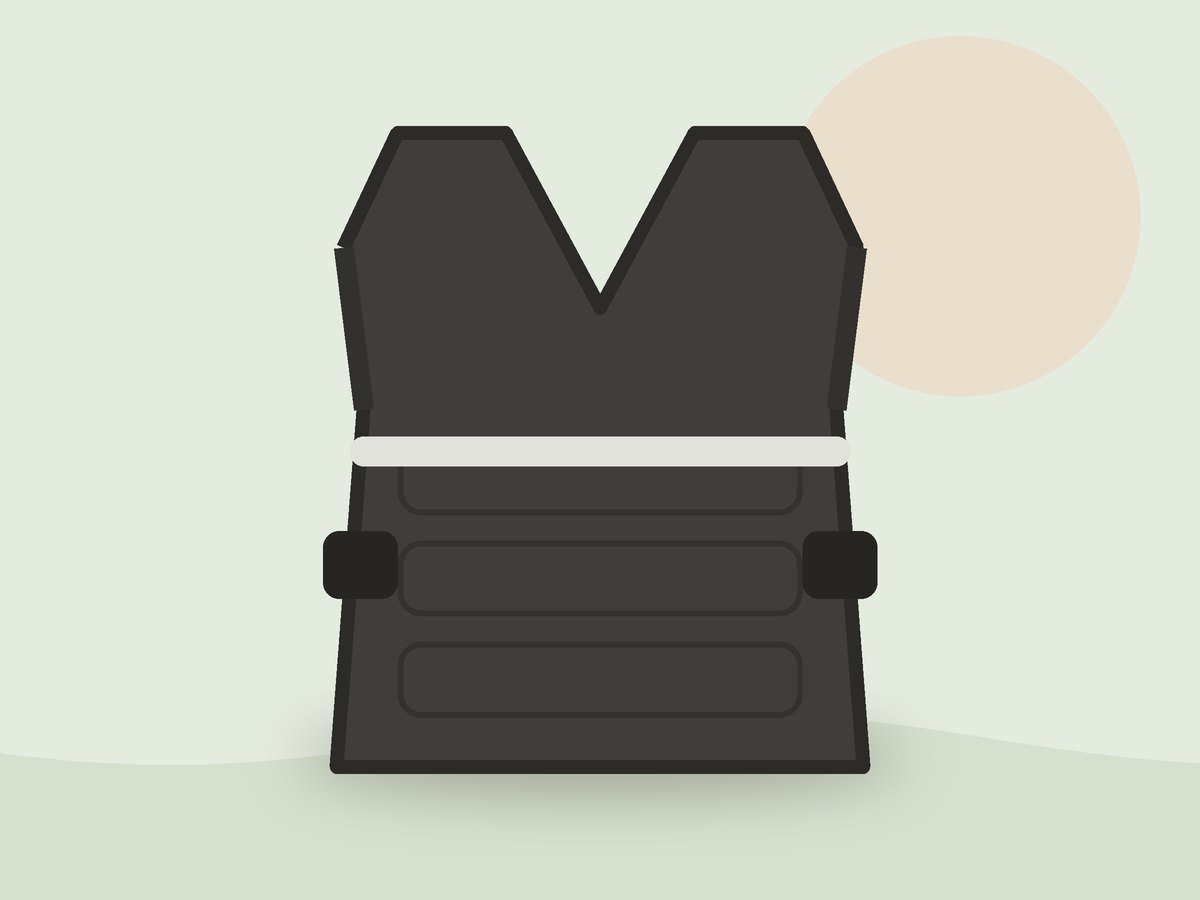 IllustrationMost adjustable
Sportneer Adjustable Weighted Vest
The most flexible vest here: nine small removable weights spread across front and back pockets let you go from as little as 2 lb up to 18 lb.
- Pro: Can start as light as 2 lb, ideal if you’re new to exercise
- Pro: Weights spread across 4 front and 5 back pockets for balance
- Pro: Take the weights out and the vest is washable
- Con: Shoulder and waist straps take a little setting up the first time
- Con: Neoprene can feel warm in summer
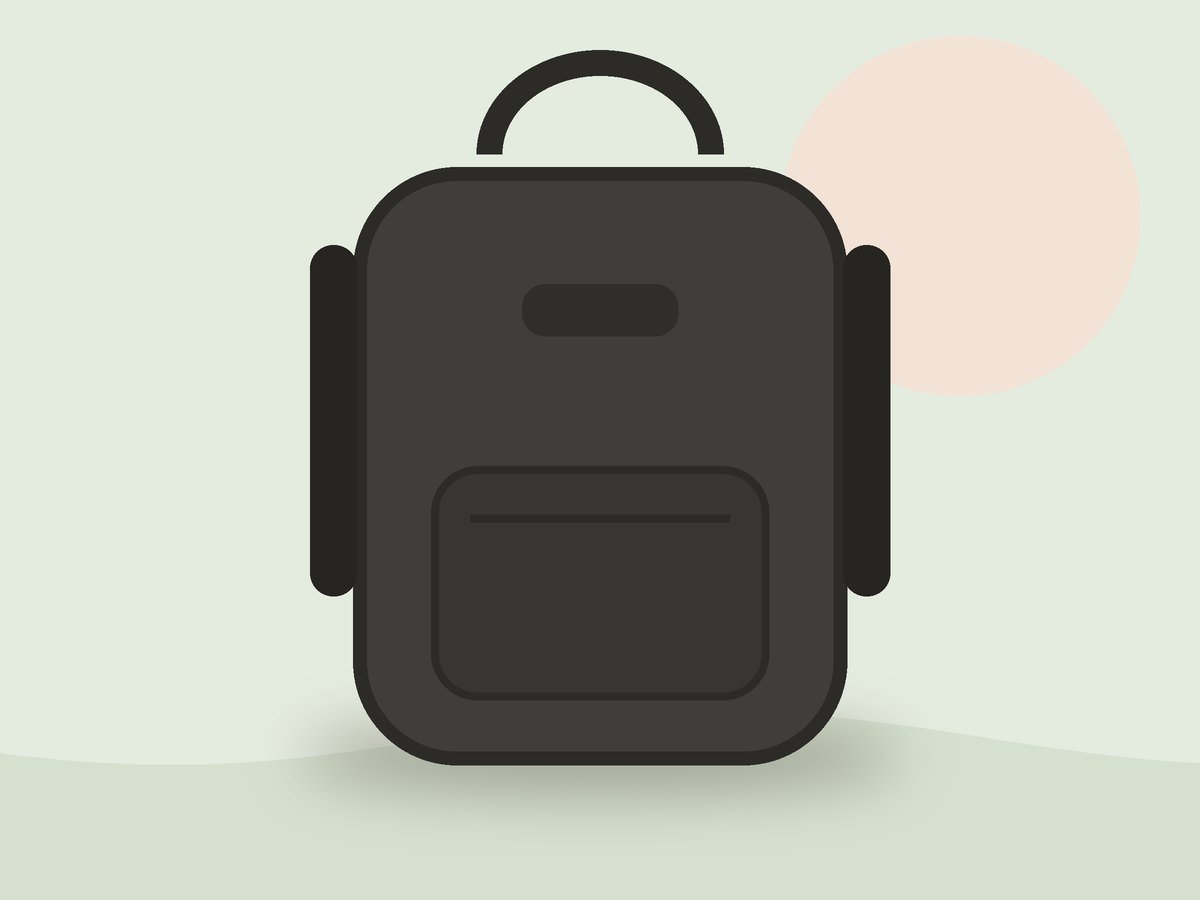 IllustrationBest rucking pack
Polyfit Rucking Backpack 2.0
A purpose-built rucking pack with a clever side-loading pocket that locks a weight plate high and tight against your back. It fits smaller frames better than most.
- Pro: Side-loading plate pocket with internal buckle keeps weight from shifting
- Pro: Sized for XS to L frames, so it doesn’t swamp petite women
- Pro: Padded shoulder straps, sternum strap and breathable back panel
- Con: No hip belt for heavier loads
- Con: Weight plates sold separately
- Con: Can feel snug on tall, broad-shouldered frames
Where to go next
Beginner guides
Step-by-step help for your first months.
Fit & sizing
Finding gear that fits petite, tall, curvy and larger bodies.
Bone health
Why load-bearing walks matter, in plain words.
Weighted vest reviews
Every vest we recommend, best scores first.
Quick questions
Do I need special gear to start?
No. A sturdy backpack and comfortable shoes are enough for your first few walks. If you enjoy it, a proper vest or rucking pack makes it more comfortable and easier to add weight.
How often should I go?
Two or three weighted walks a week is a lovely start. Your other walks can stay unweighted, and rest days help your body adapt.
Can I use ankle or wrist weights instead?
We’d skip them for walking. Weight on your ankles or wrists can change the way you move. A vest or backpack keeps the load close to your body, which is more natural and more comfortable.
Want a little company along the way?
Our free, printable 4-week starter plan takes you from your first weighted walk to feeling confident.