
This post contains affiliate links. If you buy through them we may earn a small commission, at no extra cost to you. Learn more
Both a weighted vest and a rucking backpack turn an ordinary walk into a strength workout. They just feel quite different. Here’s an honest side-by-side, plus a quick checklist to help you choose.
The quick answer
- Choose a weighted vest if you want the weight spread evenly, like hands-free walking, or plan to use it on a treadmill or around the house.
- Choose a rucking backpack if you want something easy to put on and take off, need to carry water and keys, or want to try weighted walking cheaply first.
- Still unsure? Start with a sturdy backpack you already own. If you love it, you’ll soon know which way to go.
Side by side
| Weighted vest | Rucking backpack | |
|---|---|---|
| How the weight feels | Spread over your chest and back, close to your body | All on your back, pulling gently on your shoulders |
| Posture | Encourages upright posture, little leaning | Needs good packing and straps to avoid leaning forward |
| Fit | Fit matters a lot, especially over a bust | More forgiving, but torso length still matters |
| Heat | Can feel warm in summer | Cooler at the front, sweaty back |
| Carrying extras | Small pockets at most | Room for water, phone, keys and a layer |
| Around the house or treadmill | Excellent | Works, but less comfortable |
| Cost to start | Usually $50 to $200 for a good one | Free with a backpack you own, or $50 to $200 for a purpose-made pack |
Why many women start with a vest
A well-fitting vest keeps the weight close to your centre, so it tends to feel lighter than the same load in a backpack and nudges you to stand tall. It’s also brilliant for “sneaking in” extra load: wearing it while walking the dog, doing housework or on a walking pad.
The catch is fit. Many vests are designed for men’s chests and can press uncomfortably over a bust or ride up on a shorter torso. That’s why we pay so much attention to fit in our reviews, and why we wrote a whole guide on finding a vest that fits.
Why others prefer a backpack
A backpack is simple, familiar and easy to adjust: add a weight plate, a couple of water bottles or a bag of rice. Purpose-made rucking packs have a snug pocket that holds a flat weight plate high against your back, which makes a big difference to comfort.
The watch-outs: a heavy, loose load low in the bag pulls you backwards and makes you lean forward to compensate. Pack the weight high and tight, and use the chest strap and hip belt if you have them.
A 30-second checklist
Tick the statements that sound like you:
| If this sounds like you… | …lean towards |
|---|---|
| I want to walk hands-free and stand tall | Vest |
| I’ll use it on a treadmill or walking pad | Vest |
| I get hot easily | Backpack |
| I always carry water, keys and a phone | Backpack |
| I have a larger chest and haven’t found a vest that fits | Backpack (or a women’s-cut vest) |
| I want to try it before spending money | Backpack you already own |
Our favourites in each camp
Weighted vests
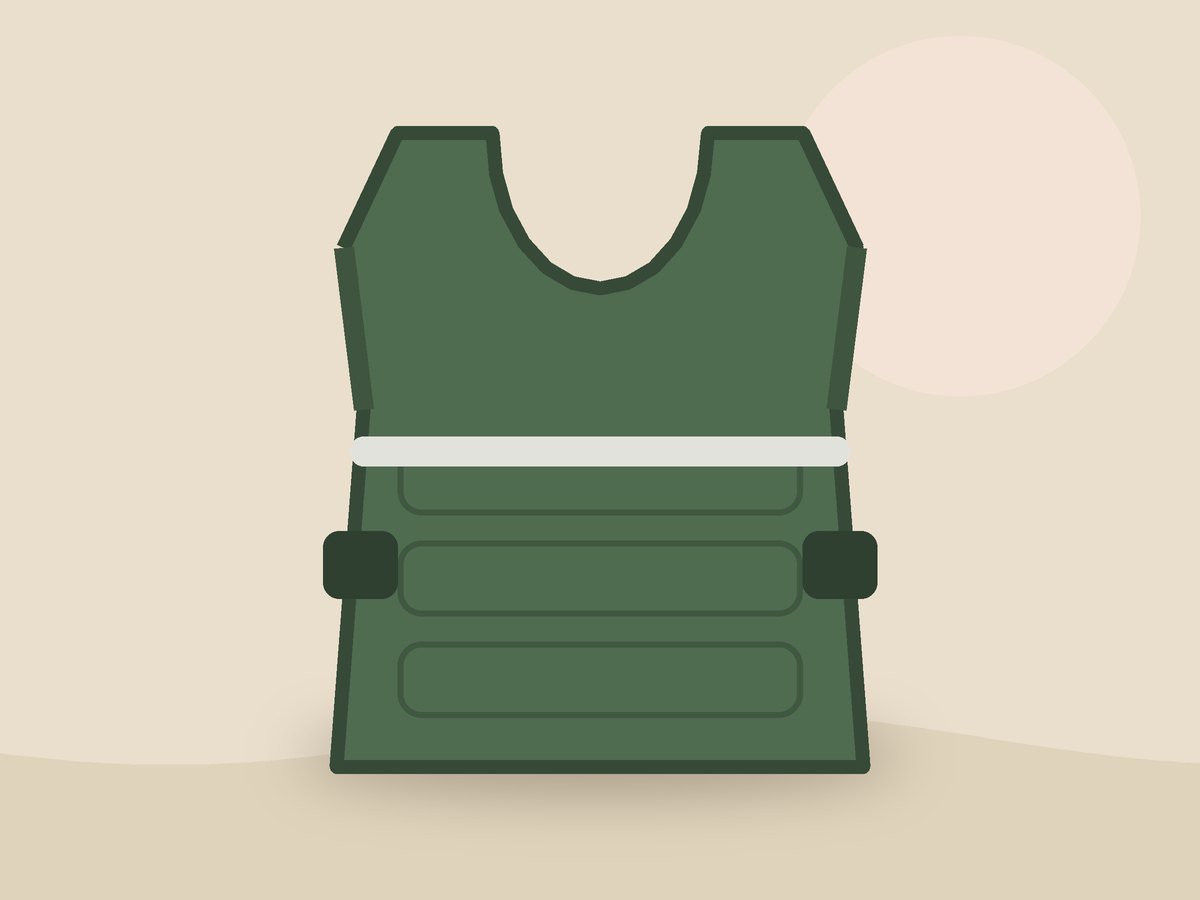 BAGAIL Adjustable Weighted Vest (U-Neck)Best overallCheck price →
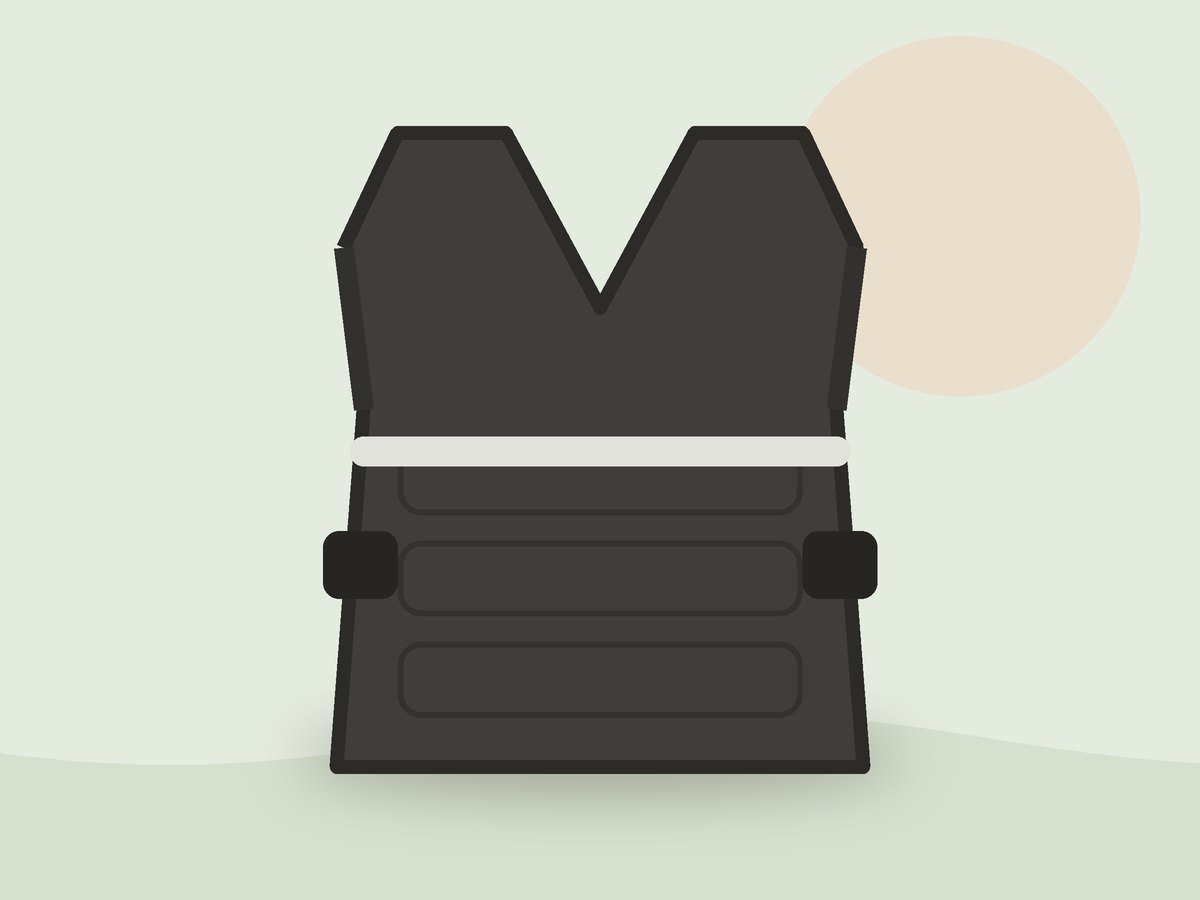 Sportneer Adjustable Weighted VestMost adjustableCheck price →
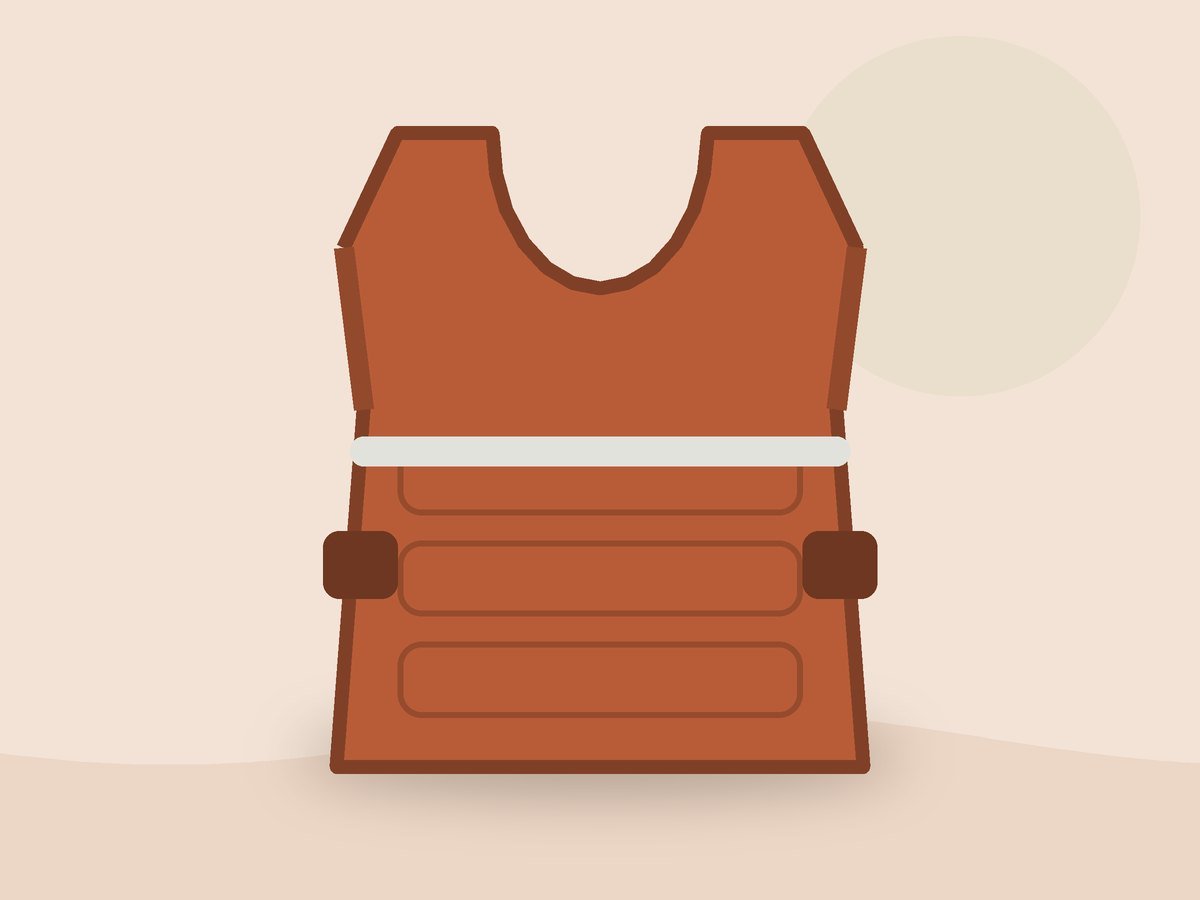 BAGAIL Comfort-Fit Weighted Vest for WomenBest women’s fitCheck price →
Rucking backpacks
 Polyfit Rucking Backpack 2.0Best rucking packCheck price →
Quick questions
Which burns more calories?
With the same weight, the difference is small. How much you carry, how long and how hilly your route is matter far more than whether it’s a vest or a pack.
Can I use both?
Absolutely. Many women wear a vest for everyday walks and treadmill sessions, and use a backpack for longer weekend walks where they need to carry water.
Which is better for my bones?
Both add load to your skeleton as you walk. What matters most is doing it regularly and combining it with strength training. Read more in our bone health guide.