This post contains affiliate links. If you buy through them we may earn a small commission, at no extra cost to you. Learn more
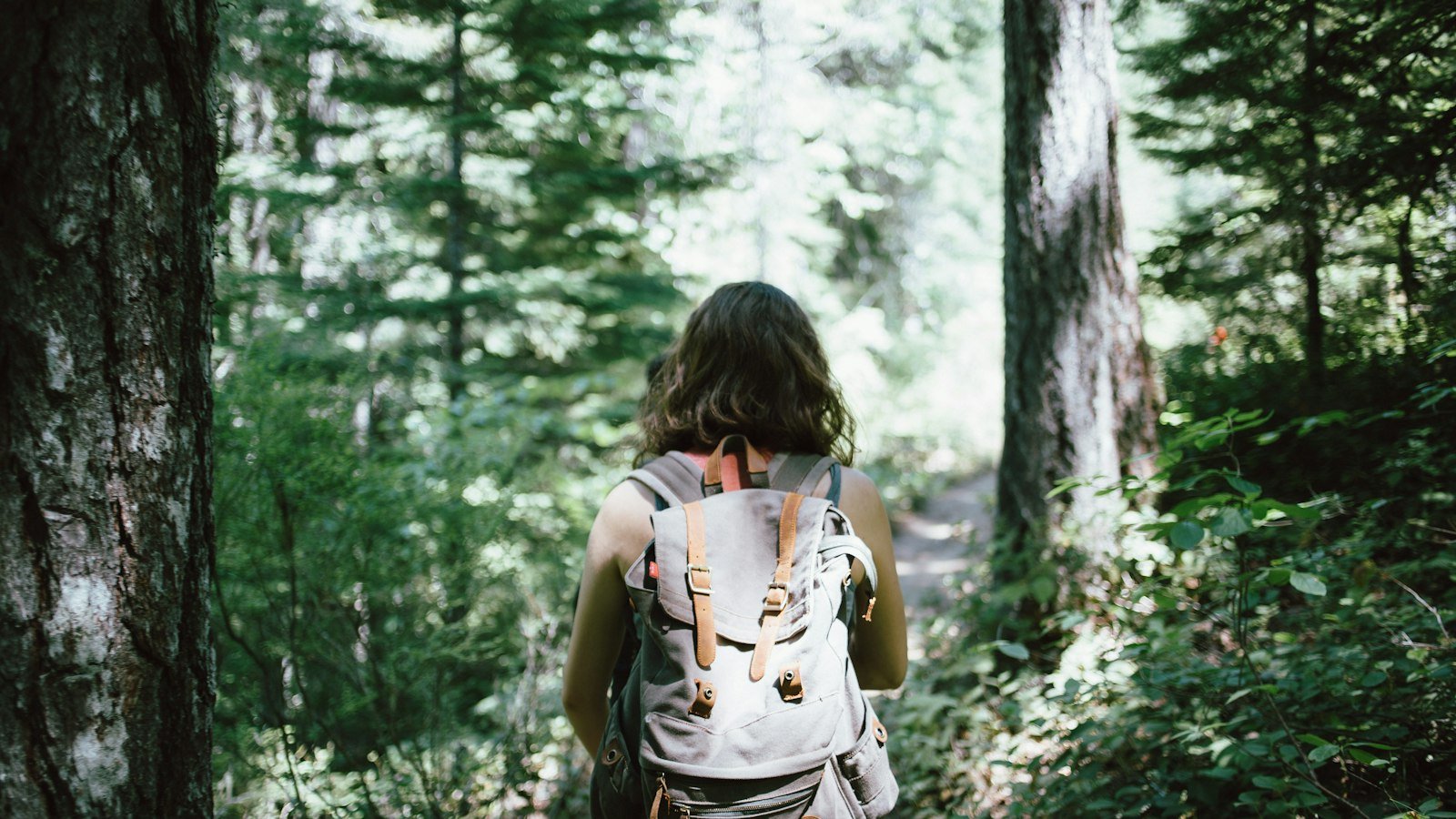
Rucking sounds like something from a military training camp, but it’s really just walking with a weighted backpack. So what changes when you add the weight, and is it worth it? Here’s a plain-English comparison to help you decide.
What is rucking?
Rucking is walking while carrying weight on your back, usually in a sturdy backpack (a “rucksack”, which is where the name comes from). The weight might be a purpose-made ruck plate, dumbbells or simply water bottles and books. Weighted vest walking is a close cousin: the same idea, with the weight worn around your torso instead.
Rucking vs walking at a glance
| Walking | Rucking | |
|---|---|---|
| Effort | Easy to moderate | Harder at the same pace, because you’re moving more weight |
| Muscles | Mainly legs | Legs, plus back, shoulders and core to carry the load |
| Load on your bones | Your body weight | Your body weight plus the pack |
| Gear | Good shoes | Good shoes and a backpack that fits |
| Getting started | Anyone, any day | Best after you’re comfortable walking 20–30 minutes |
What adding weight changes
Carrying extra weight raises the work your body does with every step, so a familiar route feels more like a workout without you needing to walk faster. Your back, shoulders and core also work to keep you upright under the load. And because walking is weight-bearing, carrying a little more adds to the load on your bones, which is one reason many women are interested in it. We look at what the research does and doesn’t show in weighted walking and bone health.
When plain walking is the better choice
- You’re new to exercise or returning after a long break. Build up to 30 minutes of comfortable walking first.
- You have knee, hip, back or neck pain, or a condition such as osteoporosis. Check with your doctor or physiotherapist before adding weight.
- You want a gentle recovery day. Not every walk needs a pack.
How to start rucking
- Start light: about 5% of your body weight, or an empty backpack for the first week or two.
- Pack it high and tight: keep the weight close to your back, between your shoulder blades, so it doesn’t pull you backwards.
- Go short and flat: 15 to 20 minutes on a familiar route, two or three times a week.
- Build slowly: change one thing at a time (time, hills or weight), and only add 1 to 2 lb at a time.
Not sure how much to carry? Our starting-weight guide has a simple chart, and the free 4-week walking plan does the planning for you.
Rucking pack or weighted vest?
Both work. A backpack is cheaper to start (you may already own one) and carries water and keys too. A vest spreads the weight around your torso and many women find it more comfortable for posture. Our vest or backpack guide helps you choose.
Packs and weights we like
 Polyfit Rucking Backpack 2.0Best rucking packCheck price →
 Yes4All Cast Iron Ruck WeightBest ruck plateCheck price →
This post is general information, not medical advice.